
Unit of Molecular Mechanisms of Cardiovascular Remodeling
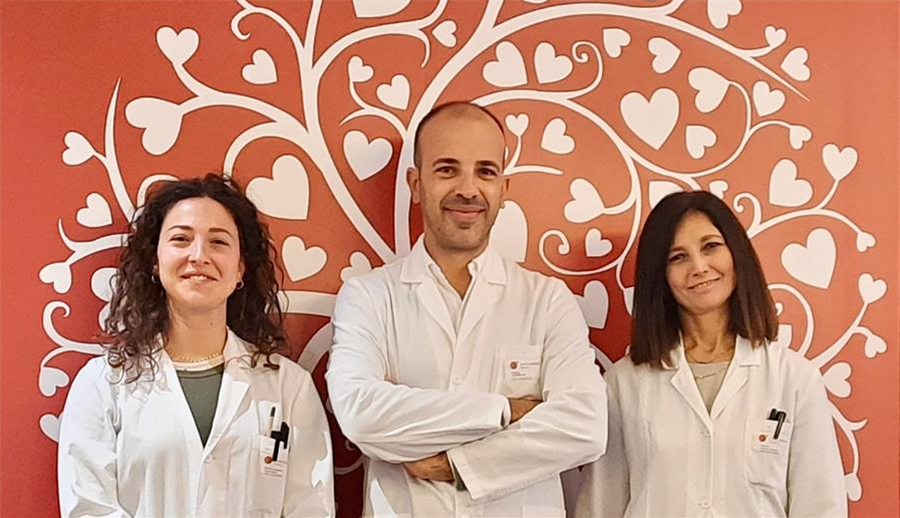
The Molecular Mechanisms of Cardiovascular Remodeling Research Unit is dedicated to investigating the cellular and molecular mechanisms that drive fibrotic remodeling of the heart, with the ultimate goal of developing novel anti-fibrotic therapies.
Cardiac fibrosis disrupts the normal structure and function of the myocardium by creating both mechanical and biochemical barriers to contractility. It is a hallmark of most forms of heart failure and contributes significantly to disease progression and adverse clinical outcomes. Despite its major clinical impact, effective anti-fibrotic treatments are still lacking, making cardiac fibrosis a significant unmet medical need and a key priority in cardiovascular research.
To address this challenge, the Unit adopts an integrated research approach that combines advanced microscopy with state-of-the-art omics technologies to identify the key molecular regulators—typically transcription factors and cytokines—that orchestrate fibrotic processes. These targets are subsequently investigated for their therapeutic potential using pharmacological and gene therapy strategies, with the aim of translating mechanistic discoveries into clinically relevant innovations.
By uncovering the regulatory networks that control fibrotic remodeling, the Unit seeks to develop targeted interventions capable of preventing or reversing pathological fibrosis, ultimately preserving cardiac function and improving outcomes for patients with cardiovascular disease.