
iPSC Facility: Cardiac Modelling and Function
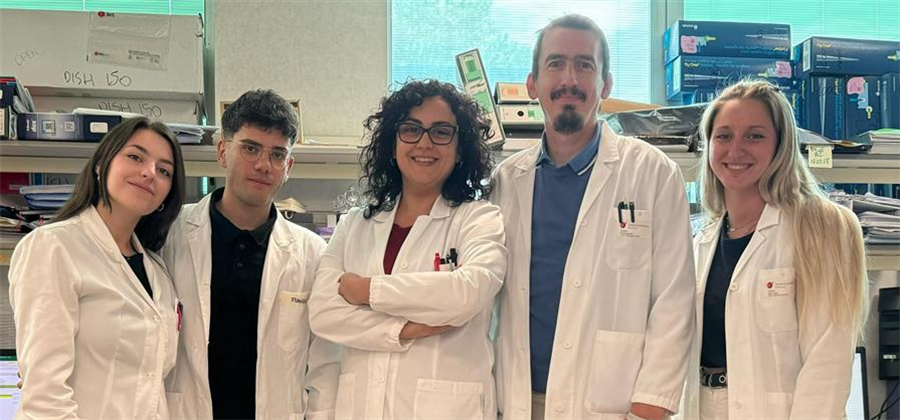
The iPSC Facility for Cardiac Modelling and Function was established to provide advanced cellular models and highly specialized services in support of preclinical research and the development of novel cardiovascular therapies. Its mission is to ensure that fundamental research maintains a strong translational focus and delivers tangible clinical relevance.
Induced pluripotent stem cells (iPSCs) represent a revolutionary platform for personalized medicine. By reprogramming adult cells—such as fibroblasts or blood cells—into pluripotent stem cells, it is possible to generate patient-specific cellular models that retain the individual’s complete genetic background. This approach enables the in vitro modeling of both genetically determined cardiac diseases and non-genetic pathological conditions arising from metabolic alterations, oxidative stress, drug-induced toxicity, or cardiac manifestations secondary to systemic diseases.
These models allow researchers to investigate the combined effects of genetic and environmental factors, evaluate personalized therapeutic strategies, and develop new drugs in systems that are more predictive of human physiology than traditional experimental models.
Within the Facility, all activities are conducted in dedicated, fully equipped laboratory spaces and according to rigorous Standard Operating Procedures (SOPs) covering the entire workflow—from isolation of source cells and reprogramming into iPSCs to characterization and differentiation into the major cardiac cell lineages, including cardiomyocytes, cardiac fibroblasts, epicardial cells, and endothelial cells.
In addition to conventional two-dimensional (2D) iPSC-derived cardiomyocyte models, the Facility develops innovative three-dimensional (3D) cardiac models, including cardiac microtissues and Engineered Heart Tissues (EHTs). These advanced systems more accurately reproduce the architecture and functionality of human cardiac tissue, providing enhanced predictive value for pharmacological and toxicological studies.
Using the IonOptix platform, the Facility performs high-precision functional assays for the assessment of:
- Intracellular calcium dynamics;
- Cellular contractility;
- Action potentials;
- Contractile force measurements in Engineered Heart Tissues (EHTs).
These analyses provide critical insights into the molecular mechanisms underlying cardiomyopathies and support the evaluation of the efficacy and safety of novel therapeutic compounds.
Our Services
The iPSC Facility for Cardiac Modelling and Function serves as a strategic partner for academic research groups and industry collaborators, offering:
- Generation of patient-specific iPSC lines from primary cells (fibroblasts or peripheral blood cells) for the development of personalized disease models.
- CRISPR/Cas9 gene editing for the correction of disease-causing mutations or the introduction of specific genetic variants into healthy cell lines, enabling the creation of isogenic controls and disease models.
- Comprehensive characterization of iPSC lines according to standardized and validated SOPs.
- Differentiation of iPSCs into major cardiac cell types, including cardiomyocytes, endothelial cells, cardiac fibroblasts, and epicardial cells.
- Development of 2D and 3D cardiac models, including cardiac microtissues and Engineered Heart Tissues (EHTs).
- Advanced functional analyses using IonOptix systems, including:
- Calcium transient measurements;
- Contractility assessments;
- Action potential recordings;
- Force generation measurements in EHTs.
- Drug screening and toxicity testing, including preclinical pharmacological screening assays.
- Modeling of genetic and non-genetic diseases, including metabolic disorders, oxidative stress-related conditions, drug-induced cardiotoxicity, and cardiac manifestations associated with systemic diseases.
By combining stem cell biology, genome engineering, tissue engineering, and advanced functional phenotyping, the Facility provides cutting-edge tools to accelerate cardiovascular research and support the development of innovative precision medicine approaches.