Unit of Applied Biotechnology in Cardiovascular Inflammation
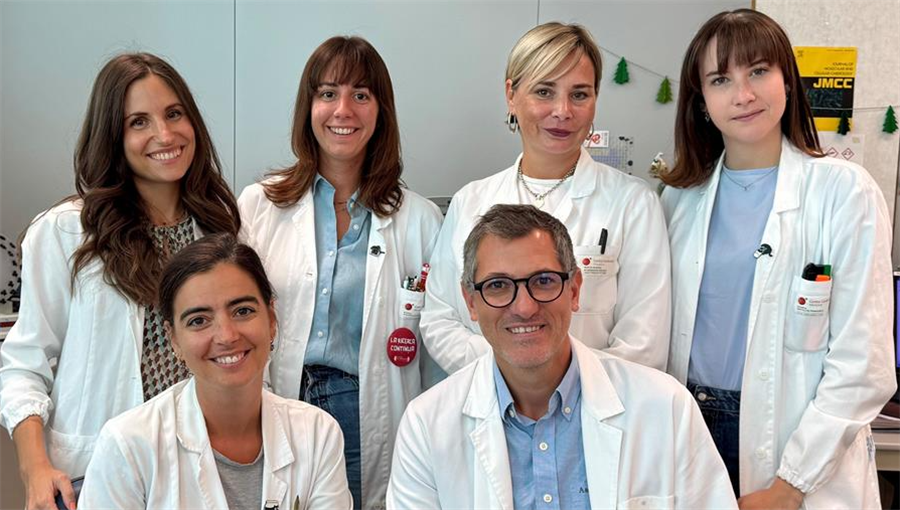
Head of the Unit

Paolo Poggio

The Unit’s research activity is dedicated to investigating the biological and molecular mechanisms that drive the development and progression of cardiovascular diseases, with a particular focus on valvular heart disease. Our approach is strongly translational, ranging from the characterization of the cellular and inflammatory processes that contribute to valve degeneration to the identification of biomarkers capable of detecting individuals at higher risk of adverse events at an early stage, thereby enabling the implementation of personalized therapeutic strategies within the framework of precision medicine.

A central aspect of our research focuses on the interplay between inflammation and alterations in cellular metabolism, two key factors that contribute to tissue degeneration and the progression of aortic stenosis. The Unit integrates the study of the biological processes linking fibrosis, metabolic dysfunction, and valvular calcification, thus providing a comprehensive understanding of the evolution of valvular diseases and facilitating the identification of novel therapeutic targets.

In parallel, our Unit also investigates the role of epicardial adipose tissue, viewed as a dynamic compartment capable of communicating with the myocardium through inflammatory and metabolic mediators. This tissue represents a genuine biological platform capable of modulating cardiac function and influencing structural cardiac remodeling.

The Unit’s research mission is further complemented by the development of innovative, non-invasive, and readily accessible diagnostic methodologies aimed at improving cardiovascular screening strategies. The ultimate goal is to translate the understanding of pathogenic mechanisms into practical tools for prevention, early diagnosis, and personalized treatment, with a direct impact on the clinical management of cardiovascular diseases.

Selected Projects

  • Sex-Specific Mechanisms in Aortic Valve Stenosis

    Calcific aortic stenosis is one of the most common and severe valvular heart diseases in industrialized countries. It is characterized by a progressive pathophysiological process that begins with fibrosis and ultimately leads to the calcification of the valve leaflets. However, its clinical evolution shows important differences between men and women, which are often overlooked by traditional research and treatment approaches. This project aims to define the sex-specific mechanisms that modulate valvular biology by integrating cellular analyses, transcriptomic studies, and clinical assessments.

    Particular attention is focused on PCSK9, a well-known regulator of lipid metabolism that has also emerged as an unexpected mediator of the inflammatory and calcific processes characteristic of valvular disease. By investigating the interaction between circulating PCSK9 and its activity within valvular interstitial cells, the project explores novel molecular targets that may be useful in preventing or slowing disease progression. The ultimate goal is to understand how biological sex influences these pathways and to translate this knowledge into personalized therapeutic strategies capable of reducing and/or slowing the progression of valvular disease.


    Epicardial Adipose Tissue and Cardiac Remodeling

    Epicardial adipose tissue (EAT) is now recognized as a distinct metabolic and inflammatory cardiac compartment, characterized by its unique anatomical position in direct contact with the myocardium. In patients with diabetes mellitus, EAT undergoes profound phenotypic changes that transform it into a persistent source of pro-inflammatory cytokines, profibrotic factors, and metabolically harmful mediators for cardiac tissue.

    This project investigates the mechanisms through which altered and dysfunctional EAT contributes to cardiac remodeling, promoting myocardial wall thickening, ventricular dysfunction, and a pro-arrhythmic environment. The research approach integrates in vitro studies using EAT-derived cells, experimental models, and advanced clinical analyses, including dedicated imaging techniques and molecular characterization. The ultimate objective is to identify novel EAT-derived biomarkers and potential therapeutic targets that may help counteract the cardiovascular vulnerability commonly observed in diabetic patients, paving the way for targeted interventions on a tissue compartment that has long been underestimated.


    Development of Innovative Diagnostic Tests for Cardiovascular Screening

    The increasing prevalence of cardiovascular disease has created an urgent need for diagnostic tools capable of identifying individuals at risk early, accurately, and cost-effectively. This project seeks to translate the biological and molecular knowledge gained from the study of valvular heart disease and inflammatory mechanisms into next-generation clinical diagnostic tests.

    The research activities include the selection and validation of plasma and tissue biomarkers with high predictive value, the development of simple and affordable laboratory methodologies, and the evaluation of technological platforms that can be easily translated into clinical practice. The objective is not only to improve early diagnosis but also to ensure equitable access to advanced predictive tools by overcoming barriers related to cost and complexity. In the longer term, the project aims to provide healthcare systems with practical tools for precision medicine, enabling disease prevention, slowing disease progression, and reducing the overall burden of cardiovascular disorders.

best publications in the last three years

    • Myasoedova VA, Franchi M, De Giorgi D, Bonomi A, Valerio V, Pirola S, Andreani N, Rusconi V, Bertolini F, Massaiu I, Pontone G, Poggio P. High-Intensity Statins Promote PCSK9 Secretion and aortic valve calcification in patients with severe aortic stenosis: In vitro and clinical evidence. Pharmacol Res. 2025 May;215:107737. doi: 10.1016/j.phrs.2025.107737. Epub 2025 Apr 14. PMID: 40239750.
    • Myasoedova VA, Chiesa M, Cosentino N, Bonomi A, Ludergnani M, Bozzi M, Valerio V, Moschetta D, Massaiu I, Mantegazza V, Marenzi G, Poggio P. Non-stenotic fibro-calcific aortic valve as a predictor of myocardial infarction recurrence. Eur J Prev Cardiol. 2024 Feb 14:zwae062. doi: 10.1093/eurjpc/zwae062. Epub ahead of print. PMID: 38365224.
    • Piacentini L, Myasoedova VA, Chiesa M, Vavassori C, Moschetta D, Valerio V, Giovanetti G, Massaiu I, Cosentino N, Marenzi G, Poggio P, Colombo GI. Whole-Blood Transcriptome Unveils Altered Immune Response in Acute Myocardial Infarction Patients With Aortic Valve Sclerosis. Arterioscler Thromb Vasc Biol. 2024 Feb;44(2):452-464. doi: 10.1161/ATVBAHA.123.320106. Epub 2023 Dec 21. PMID: 38126173; PMCID: PMC10805353.
    • Myasoedova VA, Rimbert A, Camera M, Le May C, Capoulade R, Cariou B, Poggio P. LDL lowering effect of PCSK9 inhibition is reduced in women. Eur Heart J Cardiovasc Pharmacother. 2023 Jun 2;9(4):337-342. doi: 10.1093/ehjcvp/pvad009. PMID: 36722156; PMCID: PMC10236513.
    • Myasoedova VA, Parisi V, Moschetta D, Valerio V, Conte M, Massaiu I, Bozzi M, Celeste F, Leosco D, Iaccarino G, Genovese S, Poggio P. Efficacy of cardiometabolic drugs in reduction of epicardial adipose tissue: a systematic review and meta-analysis. Cardiovasc Diabetol. 2023 Jan 31;22(1):23. doi: 10.1186/s12933-023-01738-2. PMID: 36721184; PMCID: PMC9890718.
    • Valerio V, Keceli G, Moschetta D, Porro B, Ciccarelli M, Massaiu I, Songia P, Maione AS, Alfieri V, Myasoedova VA, Zanobini M, Paolocci N, Poggio P. Enduring Reactive Oxygen Species Emission Causes Aberrant Protein S-Glutathionylation Transitioning Human Aortic Valve Cells from a Sclerotic to a Stenotic Phenotype. Antioxid Redox Signal. 2022 Nov;37(13-15):1051-1071. doi: 10.1089/ars.2021.0133. Epub 2022 Aug 2. PMID: 35459416; PMCID: PMC9689771.
    • Myasoedova VA, Massaiu I, Moschetta D, Chiesa M, Songia P, Valerio V, Alfieri V, Capoulade R, Trabattoni D, Andreini D, Mass E, Parisi V, Poggio P. Sex-Specific Cell Types and Molecular Pathways Indicate Fibro-Calcific Aortic Valve Stenosis. Front Immunol. 2022 Feb 24;13:747714. doi: 10.3389/fimmu.2022.747714. PMID: 35280999; PMCID: PMC8907138.

Staff

  • Veronika A. Myasoedova, MD, PhD

    Vincenza Valerio, PhD

    Ilaria Massaiu, PhD

    Valentina Rusconi, MSc

    Francesca Bertolini, MSc