
Unit of Molecular Biology of Thrombosis in Cardiovascular Diseases
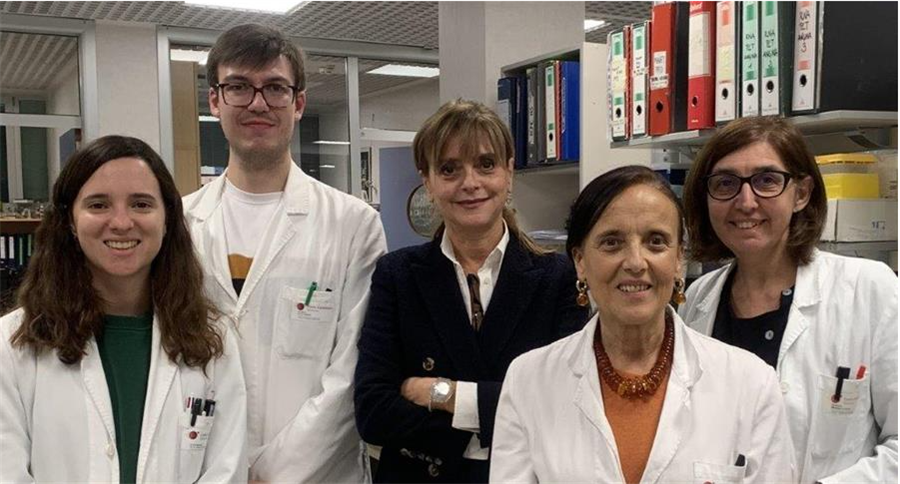
The primary objective of the research conducted by the Unit is to improve thrombotic risk stratification in patients with cardiovascular disease, with the ultimate goal of providing a scientific rationale to support the optimization and personalization of pharmacological treatment. This objective is pursued through the identification of circulating biomarkers capable of predicting thrombotic risk.
To achieve these goals, the Unit leverages its extensive expertise in laboratory-to-bedside research programs, together with a strong background in cardiovascular pharmacology—particularly in drugs that modulate platelet function—and in the mechanisms regulating hemostasis and thrombosis. This expertise is essential for understanding the molecular mechanisms involved in:
- The pathophysiology of thrombotic complications associated with cardiovascular diseases;
- The interindividual variability in response to antiplatelet therapy.
Within this framework, the Unit’s research programs have evolved over the years around three key players:
- Platelets, the principal cellular components of thrombi;
- Tissue Factor (TF), the key protein responsible for triggering the blood coagulation cascade;
- Circulating microvesicles (MVs), whose molecular signature provides valuable insights into dysfunctional cellular compartments across a variety of clinical settings.
By investigating these three interconnected elements, the Unit aims to advance the understanding of thrombosis mechanisms, identify novel prognostic and therapeutic biomarkers, and contribute to the development of more effective and individualized strategies for the prevention and treatment of cardiovascular complications.