Unit of Cardiac Development and Regeneration
The Cardiac Development and Regeneration Unit, led by Professor Paola Cattaneo, is dedicated to the study of cardiac development, remodeling, and regeneration. The Unit’s primary research goal is to understand the molecular and cellular mechanisms that regulate cardiomyocyte maturation, cardiac fibroblast activation, and cell–cell interactions within the heart, with the ambition of developing innovative regenerative therapies for the treatment of cardiovascular diseases.
The Unit’s research approach is based on understanding the physiological processes underlying cardiac development and how these can provide fundamental insights into promoting regeneration of the adult heart following myocardial infarction. Studies focus on the differentiation and maturation of cardiomyocytes from the embryonic stage through adulthood, with the aim of understanding, controlling, and reversing phenotypic changes in cardiac cells.
By leveraging interdisciplinary approaches that include advanced omics technologies, sophisticated mouse models, bioinformatics, high-resolution imaging, and cellular phenotyping, the group has identified key epigenetic and transcriptional factors that are crucial for the expression of cardiac-specific genes and the regulation of the cell cycle in postnatal cardiomyocytes.
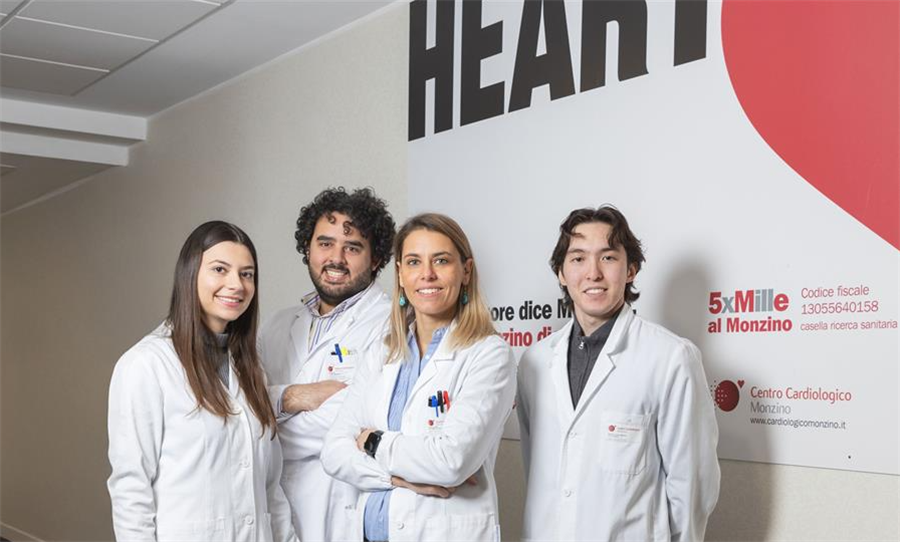
The Unit comprises an international team of young scientists with expertise in biology, pharmacology, and bioinformatics, committed to bridging the gap between physiological development and congenital and acquired heart diseases. Their ultimate goal is to develop innovative therapeutic interventions based on gene and cell therapy approaches.
Selected Projects
-
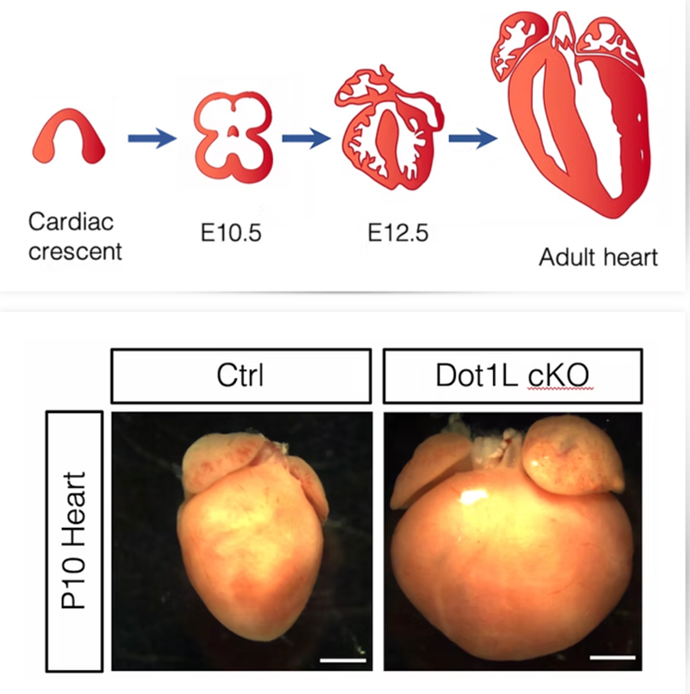
Transcriptional and Epigenetic Regulation of Cardiac Development
Congenital heart diseases (CHDs) are among the most common genetic disorders, affecting approximately 1 in every 100 newborns. However, the underlying causes of these conditions remain largely unknown. In many cases, congenital cardiac defects are associated with disruptions in key molecular pathways that regulate heart development.
The Unit’s research focuses on investigating the transcriptional and epigenetic mechanisms that govern proper cardiac morphogenesis. Using advanced transgenic mouse models, researchers study how alterations in these regulatory mechanisms can lead to developmental abnormalities of the heart. Experimental evidence generated by the group has shown, for example, that the histone methyltransferase Dot1L is a critical factor for ensuring the correct expression of cardiac-specific transcription factors during embryonic development. Furthermore, this enzyme has been demonstrated to play a fundamental role in the process of cell-cycle exit in postnatal cardiomyocytes.
These findings provide new insights into the molecular mechanisms underlying congenital heart diseases and lay the foundation for the development of innovative and targeted therapeutic approaches. In addition, the transcriptional and epigenetic mechanisms identified as essential for proper cardiac morphogenesis are also being investigated as potential therapeutic targets for regenerative strategies aimed at repairing the injured adult heart.
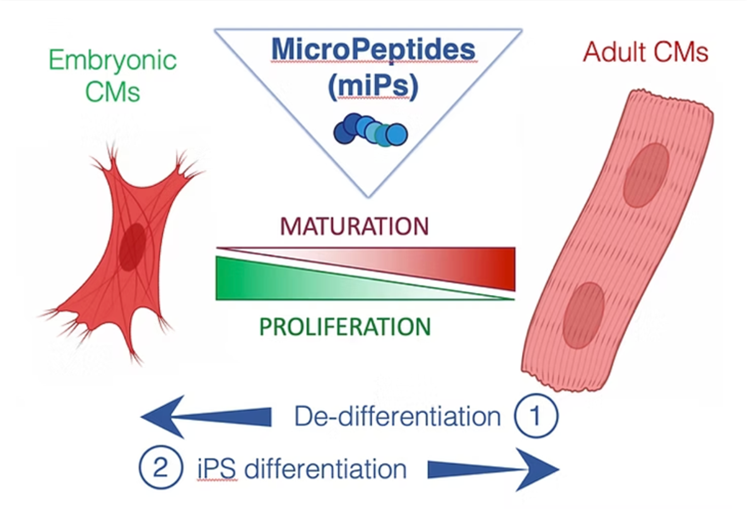
Exploring Micropeptides for Cardiac Regeneration
Micropeptides represent an emerging class of proteins characterized by their small size but significant impact on cellular functions. By leveraging state-of-the-art translatomic and proteomic approaches, the Unit’s research focuses on identifying micropeptides that are conserved across different species and regulated during cardiomyocyte maturation.
Beyond their identification, the research aims to investigate the cellular functions of these micropeptides and evaluate their therapeutic potential, particularly in inducing the proliferation of post-mitotic cardiomyocytes and enhancing the maturation of cardiomyocytes derived from induced pluripotent stem cells (iPSCs).
The ultimate goal is to translate these discoveries into novel gene and cell therapy strategies, providing innovative solutions for the regeneration of the heart following myocardial infarction and contributing to the advancement of regenerative therapies in cardiovascular medicine.
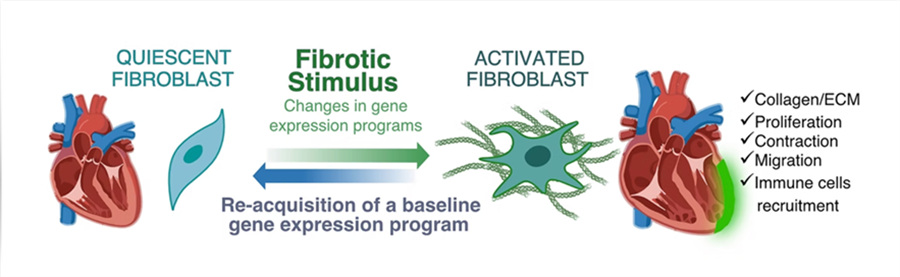
Epigenetic Control of Cardiac Fibrosis
Cardiac fibrosis, characterized by the excessive deposition of extracellular matrix by activated fibroblasts, is considered a hallmark of heart failure regardless of its underlying cause. Persistent cardiac fibrosis leads to adverse cardiac remodeling, resulting in increased myocardial stiffness that can impair cardiomyocyte proliferation and ultimately contribute to progressive deterioration of cardiac function, culminating in heart failure.
Developing strategies to control the extent of fibrotic remodeling is therefore of critical importance, as effective anti-fibrotic therapies are currently lacking. In this context, the Unit’s research projects focus on identifying key regulatory elements that govern fibroblast activation and can be manipulated through gene therapy approaches to modulate and control fibrotic responses.
Experimental Approaches
- Isolation and culture of primary human and murine cells from embryonic, neonatal, and adult stages under both physiological and pathological conditions, including cardiomyocytes, cardiac fibroblasts, and endothelial cells, as well as the differentiation of cardiomyocytes from induced pluripotent stem cells (iPSCs).
- Cell sorting and purification techniques, including the Langendorff perfusion method.
- Advanced mouse models for the generation of genetic knockout models and lineage-tracing studies.
- Multi-omics analyses performed at both bulk and single-cell resolution, including transcriptomics, epigenomics, and translatomics (e.g., RNA-seq, ATAC-seq, ChIP-seq, and TRAP-seq).
- Histological and imaging techniques using high-resolution microscopy.
- Molecular biology techniques, including cloning strategies and genetic engineering using CRISPR/Cas9 technology.