Cardiovascular Genetics Unit

Head of the Unit

Valeria Novelli

The Cardiovascular Genetics Unit is a national referral center dedicated to the identification and interpretation of the genetic causes underlying inherited cardiovascular diseases. The Unit’s primary mission is to improve the diagnosis, prognosis, and clinical management of patients through a deeper understanding of the genetic alterations that influence cardiovascular health. Genetic research represents a fundamental step toward personalized medicine, enabling the development of more effective treatments specifically tailored to each patient’s genetic profile.
By leveraging next-generation sequencing (NGS) technologies, the Unit develops and promotes a wide range of translational research projects, transforming genetic discoveries into tangible clinical applications. Research activities encompass both common and rare inherited cardiovascular disorders and are aimed at identifying novel genetic variants that may influence disease susceptibility, progression, and clinical outcomes.

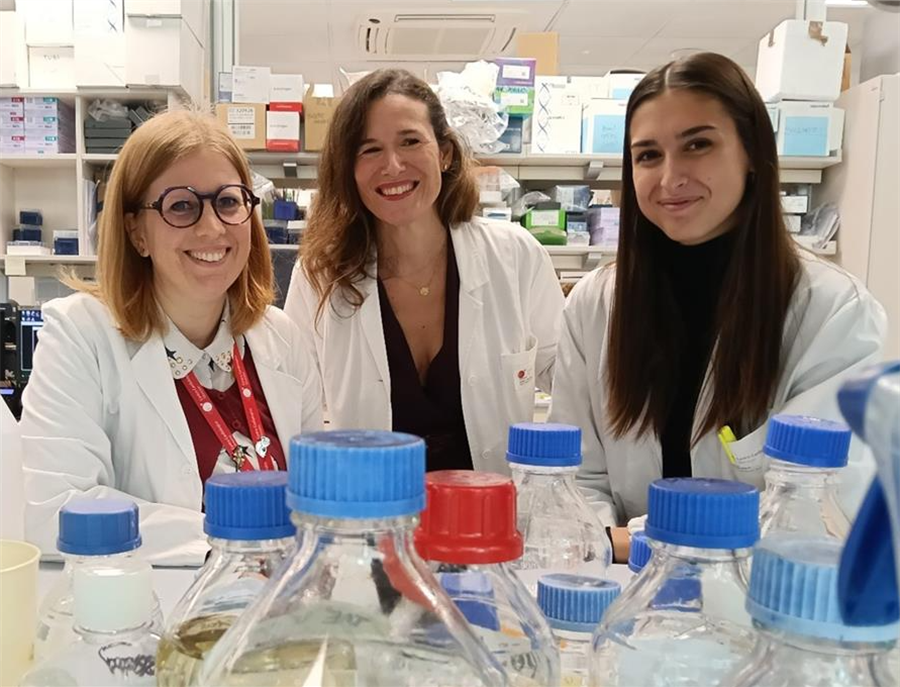
The Unit is composed of a multidisciplinary team of experienced predoctoral and postdoctoral researchers. Through their expertise, the Unit is able to lead and support projects of major scientific and clinical relevance, actively participating in national and international collaborations and driving the development of innovative approaches for the diagnosis and treatment of genetic cardiovascular diseases.

Selected Projects

  • The Cardiogenetics Program

    The Cardiovascular Genetics Unit coordinates the Cardiogenetics Program of the Centro Cardiologico Monzino, a major initiative dedicated to the collection, analysis, and interpretation of genetic data from patients with genetically determined cardiovascular diseases. The Program also provides comprehensive multidisciplinary genetic counseling, both before and after genetic testing, to support patients and their families throughout the diagnostic process.


    Variant Reclassification

    Although genetic testing for inherited heart diseases is a fundamental tool for diagnosis and clinical management, it is still unable to identify the genetic cause in all patients. The diagnostic yield of these tests varies considerably depending on the specific disease, ranging from approximately 25% to 80%. This variability reflects the genetic complexity of inherited cardiovascular disorders and suggests the existence of additional pathogenic mechanisms that remain only partially understood.

    This project focuses on the continuous evaluation of emerging scientific evidence to reassess and reinterpret variants of uncertain significance (VUS). By refining variant classification, the project aims to improve risk stratification, enhance diagnostic accuracy, and provide more precise guidance for clinical decision-making.


    Structural Variants

    Research across a wide range of rare genetic diseases has shown that, in addition to single nucleotide variants (SNVs), other types of genetic alterations may play an important role in disease development. Among these are structural variants (SVs)—including copy number variants (CNVs)—which are often overlooked by conventional genetic analyses.

    In collaboration with other Italian centers, our Unit aims to determine the prevalence of these variants among patients with inherited cardiovascular diseases and to evaluate their integration into routine diagnostic workflows. This research has the potential to improve diagnostic yield and expand our understanding of the genetic architecture of hereditary cardiac disorders.


    The Unit is an active member of ClinGen (The Clinical Genome Resource), a global initiative dedicated to developing resources and standards for the clinical interpretation of genetic variants, with the goal of improving the quality of diagnosis, treatment, and care for patients with genetic diseases.

    https://www.clinicalgenome.org/about/people/staff/novelli-1724/

best publications in the last three years

    • Arrhythmic Risk Stratification and Sudden Cardiac Death Prevention in Duchenne Muscular Dystrophy: A Critical Appraisal. D'Amario D et al. Rev Cardiovasc Med. 2025 Mar 11.
    • Role of advanced CMR features in identifying a positive genotype of hypertrophic cardiomyopathy. Mushtaq S et al. Int J Cardiol. 2024 Dec 15.
    • Prevalence of rare missense TTN variants in a cohort of patients with cardiomyopathy. Bottillo I et al. J Mol Cell Cardiol. 2025 Feb;199:46-50. doi: 10.1016/j.yjmcc.2024.12.004.
    • Enhancing the interpretation of genetic observations in KCNQ1 in unselected populations: relevance to secondary findings. Novelli V et al. Europace. 2023 Nov 2.
    • Beyond gene-disease validity: capturing structured data on inheritance, allelic requirement, disease-relevant variant classes, and disease mechanism for inherited cardiac conditions.Josephs KS, et al. Genome Med. 2023 Oct 23;15(1):86.

Staff

  • Martina Manzoni, PhD

    Giulia Corona, MSc